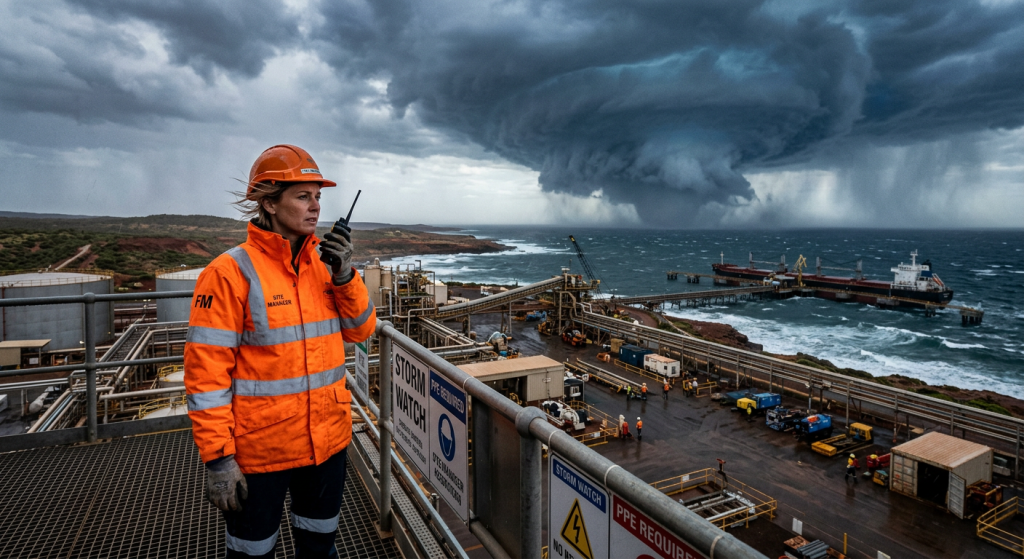
Cyclone Season and Your Site: How Facilities Managers Can Lead a Safer Response
Every cyclone season, facilities along Australia's coastline face the same challenge — destructive winds, storm surge, and flooding with very little warning. The difference between an orderly response and dangerous chaos comes down to your people, your plan, and how well they've trained.
Most cyclone checklists focus on gutters, roofs, and generators. But when conditions deteriorate, it's people who make the difference — wardens and supervisors who understand the warning levels, know your procedures, and can lead others calmly when the pressure is on.
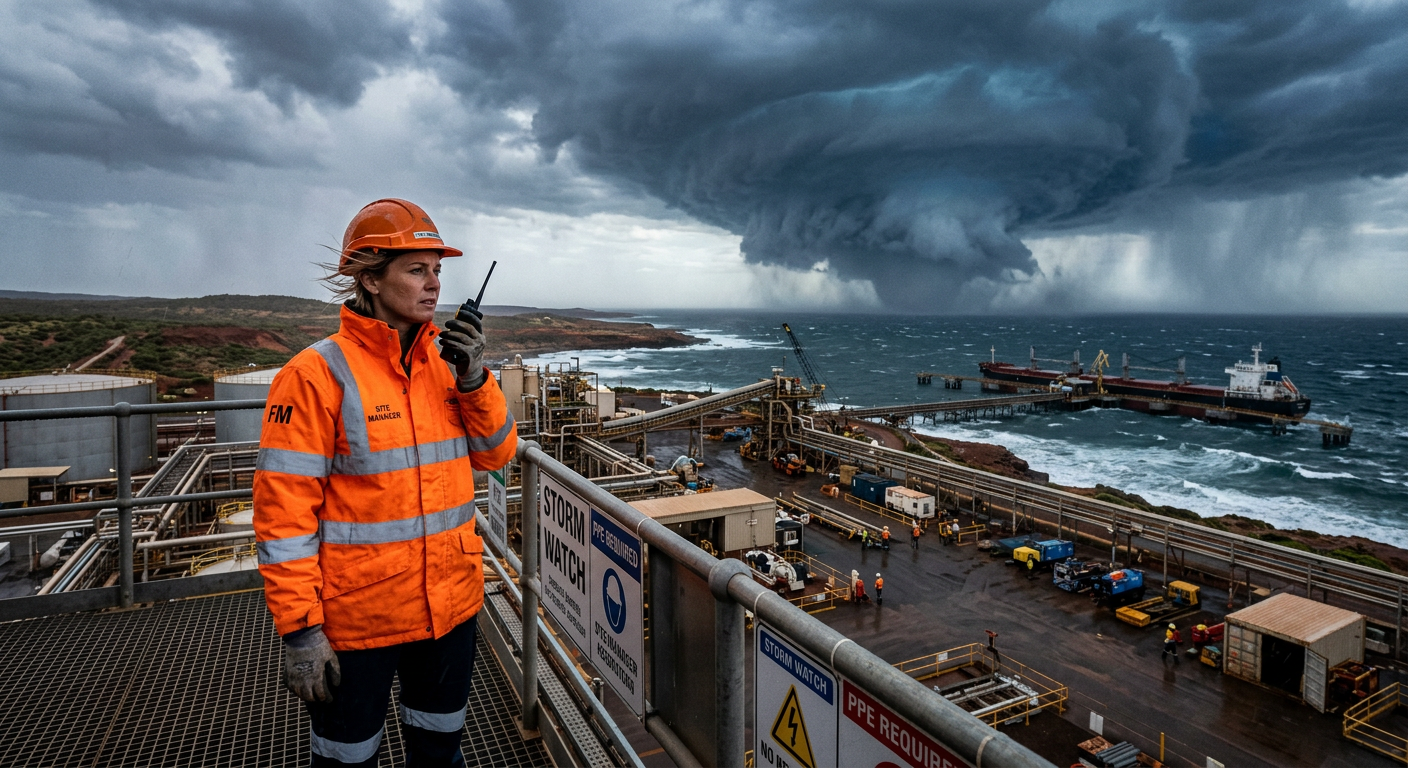
Why cyclone response starts with people, not buildings
AFP's core business is fire and emergency training / Preparing People For Emergencies — developing wardens, chief wardens, and evacuation coordinators who can manage building-wide incidents, operate occupant warning systems, and apply your site procedures in real time. The competencies that matter in a fire — clear communication, controlled evacuation, safe use of equipment, and understanding of roles — are exactly what you need when your facility is facing destructive winds, rising water, or a prolonged power outage.
Having deployed personally into post-cyclone environments, I've seen what it looks like when responders don't have clear procedures and trained teams behind them. The facilities that recovered fastest were those where people knew exactly what to do and who was in charge.
One SES Volunteer's Story Field Report
Understanding the Australian Warning System
The Australian Warning System (AWS) provides three national warning levels for severe weather events. For facilities managers, the challenge isn't learning the colours — it's translating each level into specific, time-bound tasks your team can actually carry out.

LEVEL 1 - Advice
Be alert. Monitor warnings. Begin early preparations — check systems, brief wardens, top up supplies.
LEVEL 2 - Watch and Act
Activate your ECO. Secure loose items, check refuge areas, and confirm communications with tenants.
LEVEL 3 - Emergency Warning
Follow your plan now. Shelter in identified internal refuge areas or evacuate — make the call before conditions become dangerous.
AFP can work with your existing emergency procedures to map AWS levels to site-specific actions and warden checklists. Combined with targeted fire warden, chief warden, and evacuation coordinator training, this gives you a control organisation that understands both the national warning language and your internal processes.
Building a cyclone-ready emergency plan
A strong cyclone response sits inside a broader emergency management plan that covers fire, medical, evacuation, and severe weather scenarios. That plan should identify who is in charge at each stage, which areas are safe to occupy, when to shut down operations, and how you'll communicate if normal systems fail.
AFP can assist facilities managers to review and update site emergency procedures so that cyclone, storm surge, and flood risks are clearly addressed alongside fire and evacuation. We align procedures to relevant Australian standards while keeping them practical for your site size, layout, and staffing levels — and we can tailor warden training using your own diagrams, communication systems, and local risks rather than generic case studies.
Practical cyclone response checklist
Use this as a starting point. AFP can turn it into a site-specific action card and training package for your team.
Before the season
- Confirm your emergency control organisation (ECO) — all wardens, chief wardens, and deputies are current and rostered across shifts
- Check that emergency procedures cover cyclones and severe storms, with AWS levels referenced in your internal triggers
- Engage AFP to deliver or refresh fire warden, chief warden, and evacuation coordinator training using your buildings and systems as the backdrop
- Test occupant warning systems and document any faults or gaps
When warnings move to Advice / Watch and Act
- Activate your ECO and brief wardens on the current warning level and likely next steps
- Secure loose items, check identified refuge areas, and top up emergency supplies
- Test your occupant warning system and confirm communication protocols with tenants, contractors, and visitors
- Apply the decision-making and leadership skills developed in training to keep preparations calm and controlled
At Emergency Warning
- Use your AWS-aligned procedures to decide whether occupants should shelter in place or evacuate — make the call before conditions deteriorate
- Wardens and chief wardens coordinate movements, confirm head counts, and keep people away from glazing and non-structural elements
- Maintain contact with the incident controller and log the timing of major actions, outages, and incidents
After the cyclone
- Respect any "Not safe to return" messaging — do not move people into damaged areas until authorities confirm it is safe
- Arrange inspections of fire and life safety systems once access is allowed
- Conduct a structured debrief — AFP can support post-incident reviews and recommend targeted training or procedure changes
Cyclones are multi-hazard events
You may simultaneously face loss of power, damaged fire systems, water ingress, access restrictions, and anxious occupants. Facilities managers can't prevent the weather — but they can invest in people, plans, and systems that perform under stress.
AFP's focus on fire safety training, emergency procedures, and warden development makes us a ready-made partner for the human side of cyclone resilience. By combining AWS-aware planning with competent wardens and clear procedures, you give your site the best possible chance of getting through the next cyclone with fewer injuries, less damage, and a faster return to normal operations.
If you're reviewing your emergency procedures or planning your next warden training block, AFP can help you integrate cyclone and severe weather response into the same programme you already use for fire and evacuation. Strengthen your team’s readiness with a unified, all‑hazards approach that keeps your people safer and your compliance on track.
For more information, call us on 1300 80 3473.